
The Latest Trends in Residential Building for 2025
The residential building industry is evolving rapidly as new technologies, materials, and consumer preferences reshape how homes are designed and constructed. If you’re planning to build or renovate your home in 2025, staying informed about the latest trends can help you make smarter choices, boost property value, and enhance comfort and sustainability.
In this article, we explore the latest trends in residential building for 2025, covering everything from sustainable materials to smart home technologies, modern design aesthetics, and innovative construction methods.
Embracing Sustainability and Eco-Friendly Building
Growing Demand for Green Building Practices
Sustainability continues to be a dominant force in residential construction. Homeowners and builders alike are prioritizing environmentally responsible materials and energy-efficient designs to reduce carbon footprints and lower utility costs.
Popular Sustainable Materials
In 2025, expect to see increased use of recycled steel, reclaimed wood, bamboo, and low-VOC (volatile organic compounds) paints. These materials not only reduce environmental impact but also improve indoor air quality and home durability.
Energy-Efficient Homes
Solar panels, high-performance insulation, energy-efficient windows, and smart thermostats are becoming standard features. Builders are also designing homes to optimize natural lighting and ventilation to reduce energy consumption.
Integration of Smart Home Technology
Smart Automation for Convenience and Security
Smart home technology is advancing rapidly, offering homeowners unprecedented control over lighting, security, heating, and appliances. Voice-activated systems and mobile app controls make daily living easier and more efficient.
Home Energy Management Systems
In 2025, smart energy management systems will be a major trend, allowing homeowners to monitor and adjust energy use in real-time, integrating with solar power systems and battery storage for maximum efficiency.
Enhanced Security Features
From AI-powered surveillance cameras to smart locks and alarm systems, residential buildings are incorporating advanced security solutions that enhance safety without sacrificing convenience.
Modern Design and Layout Trends
Open Floor Plans with Flexible Spaces
Open-concept layouts remain popular, but 2025 trends emphasize adaptable spaces that can serve multiple purposes—like home offices, gyms, or entertainment areas—as remote work and lifestyle needs evolve.
Biophilic Design
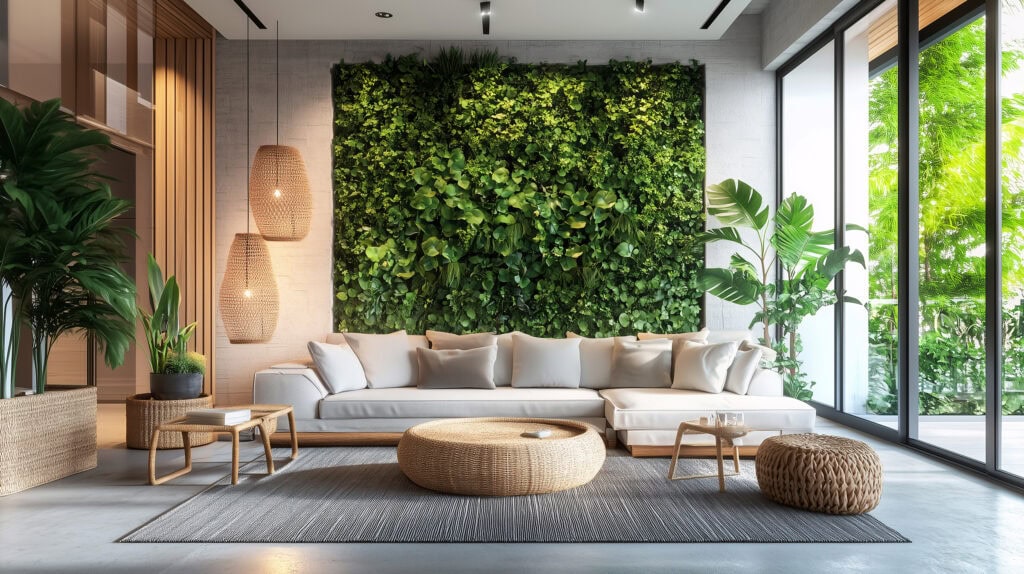
Incorporating natural elements such as indoor plants, natural light, and water features supports wellness and mental health. Biophilic design helps create calming environments that blur the lines between indoors and outdoors.
Minimalism with Warmth
Minimalist aesthetics continue to dominate, but with warmer materials and textures—think wood accents, cozy textiles, and earth-tone color palettes—creating inviting, modern homes.
Advances in Construction Technology
Prefabrication and Modular Building
Prefabricated and modular construction methods are gaining momentum due to their cost-effectiveness and reduced construction time. These techniques allow for high-quality, customizable homes built in controlled environments and assembled onsite quickly.
3D Printing in Home Construction
While still emerging, 3D printing technology is expected to revolutionize residential building by enabling rapid, affordable construction of complex architectural features with less waste.
Drones and Robotics on Site
Drones are increasingly used for site surveys and progress monitoring, while robotics help with tasks like bricklaying and material transport, improving efficiency and safety.
Focus on Health and Wellness Features
Improved Indoor Air Quality
Builders are incorporating advanced ventilation systems, air purifiers, and low-toxicity materials to improve indoor air quality, which is a growing priority among homeowners concerned about health.
Wellness Amenities
Spaces dedicated to physical and mental wellness, such as home gyms, meditation rooms, and spa-like bathrooms, are becoming common features in new residential builds.
Noise Reduction Solutions
Soundproofing materials and acoustic design are more frequently integrated to create peaceful living environments, especially important in urban areas.
Increasing Importance of Resilience and Durability
Designing for Climate Change
With extreme weather events becoming more frequent, homes in 2025 are designed with resilient features such as impact-resistant windows, reinforced roofs, flood-resistant materials, and elevated foundations.
Long-Lasting Materials
Builders are opting for materials that offer durability and require less maintenance over time, including fiber cement siding, engineered wood, and advanced composites.
Smart Water Management
Innovative plumbing and landscaping designs reduce water use and improve drainage, incorporating rainwater harvesting and greywater recycling systems.
Incorporating Universal and Aging-in-Place Design
Accessibility as a Priority
Homes are increasingly designed to accommodate all life stages and abilities. Features like no-step entries, wider doorways, grab bars, and adjustable countertops help ensure homes are accessible and safe for everyone.
Multi-Generational Living
The trend of multi-generational households is influencing design with separate living quarters, dual master suites, and flexible room arrangements to provide privacy and convenience.
Conclusion
The residential building landscape in 2025 is characterized by sustainability, smart technology, wellness, and resilience. Whether you’re planning to build a new home or renovate an existing one, embracing these trends can help you create a living space that is modern, efficient, and future-ready.
Staying informed about these innovations will empower you to make better decisions, improve your home’s value, and enjoy a healthier, more comfortable lifestyle. Keep these latest trends in mind as you embark on your residential building journey in 2025.
Add Comment