
Building a Tiny Home: Is Less Really More?
In recent years, the tiny home movement has gained significant momentum as people rethink traditional living spaces and prioritize simplicity, sustainability, and affordability. Building a tiny home appeals to those seeking freedom from large mortgages, excess belongings, and the hustle of big-city life. But is less really more when it comes to tiny homes? This article explores the benefits, challenges, and considerations involved in building a tiny home to help you decide if this minimalist lifestyle is right for you.
What is a Tiny Home?
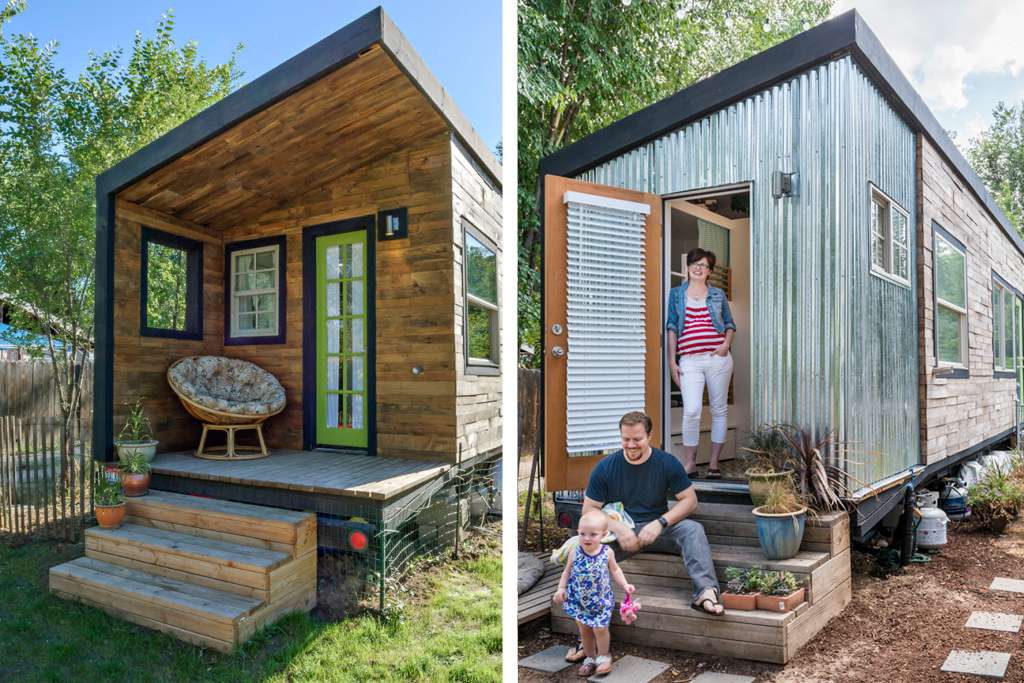
A tiny home is a small, fully functional living space typically ranging from 100 to 400 square feet. Unlike apartments or traditional small houses, tiny homes are often custom-built on trailers for mobility, although some are constructed on foundations.
Tiny homes maximize every inch of space with clever design, multifunctional furniture, and minimalist décor. The goal is to create a comfortable, efficient, and sustainable living environment within a significantly smaller footprint.
Why Are Tiny Homes Popular?
The popularity of tiny homes stems from several key factors:
- Affordability: Tiny homes generally cost less to build and maintain than traditional houses, often costing a fraction of the price.
- Sustainability: Smaller homes use fewer resources, consume less energy, and create less waste, appealing to eco-conscious buyers.
- Mobility: Many tiny homes on wheels allow owners to live nomadically or relocate with ease.
- Simplicity: Tiny living encourages decluttering and focusing on what truly matters, which can reduce stress and improve quality of life.
- Flexibility: Tiny homes can serve as primary residences, guest houses, home offices, or vacation retreats.
Planning Your Tiny Home: Key Considerations
Before building a tiny home, it’s important to think through several crucial factors:
Define Your Needs
What do you really need in your living space? Consider your lifestyle, habits, and priorities. For example, do you need a dedicated workspace? How much storage is essential? Will you cook frequently, or do you prefer eating out? Knowing your must-haves helps you design a functional tiny home that works for you.
Location and Zoning Laws
Zoning and building codes vary by city and state and can limit where tiny homes can be placed. Some areas allow tiny homes as primary residences, while others only permit them as accessory dwellings or recreational vehicles. Research local regulations early to avoid costly legal issues.
Budget and Materials
Though tiny homes tend to be affordable, costs can add up depending on design complexity, materials, and customization. Decide on a budget upfront and prioritize high-quality, durable materials that will last. Sustainable or recycled materials are popular choices among tiny home builders.
Design and Layout
Smart design is essential to tiny home success. This includes:
- Multifunctional furniture like fold-out beds and tables.
- Vertical storage solutions to maximize space.
- Open floor plans that create a sense of spaciousness.
- Natural lighting and ventilation to enhance comfort.
Working with a designer or architect familiar with tiny homes can optimize your layout.
Building a Tiny Home: The Construction Process
Building a tiny home involves several stages similar to traditional home construction but scaled down:
Foundation or Trailer Setup
If building on a trailer, ensure it’s road-legal and properly rated for your home’s weight. For permanent tiny homes, foundation options include concrete slabs or piers.
Framing and Exterior Work
The framing phase creates the home’s skeleton, followed by installing exterior siding, roofing, windows, and doors.
Interior Systems
Plumbing, electrical, and HVAC systems are installed, keeping in mind the limited space and energy efficiency.
Insulation and Drywall
Proper insulation is critical in tiny homes to maintain comfortable temperatures. After insulation, walls and ceilings are finished with drywall or alternative materials.
Interior Finishing
The final stage includes installing cabinetry, flooring, appliances, and fixtures tailored to the compact space.
Benefits of Living in a Tiny Home
Cost Savings
Tiny homes drastically reduce housing costs, including mortgage or rent, utilities, and maintenance. This frees up income for other priorities or early retirement.
Environmental Impact
Living tiny significantly reduces your carbon footprint by lowering energy consumption and encouraging minimal waste.
Mobility and Flexibility
Many tiny homes on wheels provide the freedom to travel or relocate without sacrificing comfort.
Simplified Lifestyle
Tiny living encourages decluttering, mindfulness, and a focus on experiences over possessions, which many find liberating.
Challenges of Tiny Home Living
Limited Space
Adjusting to smaller living quarters requires mindset shifts and creativity. Storage and privacy can be challenging, especially for couples or families.
Zoning and Legal Restrictions
Not all municipalities support tiny homes as permanent dwellings, which can complicate finding legal places to park or build.
Resale and Financing
Tiny homes often don’t qualify for traditional mortgages, and resale markets are still developing, which may limit financial options.
Maintenance and Durability
Due to their size and materials, tiny homes may require more frequent maintenance or repairs, especially if mobile.
Is Less Really More? The Verdict
Whether less is truly more depends on your personal goals, lifestyle, and values. For many, building and living in a tiny home offers freedom, sustainability, and financial peace of mind. It encourages intentional living, fosters creativity in space use, and aligns with eco-friendly principles.
However, tiny living is not for everyone. It demands adaptability, planning, and sometimes sacrifices comfort and convenience. Understanding both the benefits and challenges upfront will help you make an informed decision.
Tips for Success When Building a Tiny Home
- Plan meticulously: Invest time in design and research to ensure your tiny home meets your needs.
- Start small: Consider renting or living in a tiny space temporarily to test the lifestyle.
- Prioritize quality: Use durable materials and efficient appliances to reduce long-term costs.
- Stay flexible: Be open to adapting your design or location based on regulations and lifestyle changes.
- Connect with the community: Join tiny home forums or local groups to gain insights and support.
Conclusion: Embracing the Tiny Home Lifestyle
Building a tiny home challenges traditional notions of space and comfort. It invites you to embrace minimalism and prioritize what truly matters. Whether you’re motivated by financial freedom, environmental concerns, or a desire for mobility, tiny homes offer an innovative solution to modern living.
By carefully planning, understanding zoning laws, and thoughtfully designing your space, you can successfully build a tiny home that fits your lifestyle. Ultimately, deciding if less is really more depends on your unique vision and willingness to embrace a simpler way of living.
Add Comment