
Innovative Building Technologies
The construction industry is evolving rapidly thanks to innovative building technologies. These advancements are revolutionizing how structures are designed, built, and maintained, making projects faster, safer, more cost-effective, and environmentally friendly. In this article, we explore some of the most impactful innovations shaping modern building practices.
The Rise of Smart Building Technologies
Smart building technologies integrate digital tools and automation to improve efficiency, safety, and sustainability in construction and building management.
Building Information Modeling (BIM)
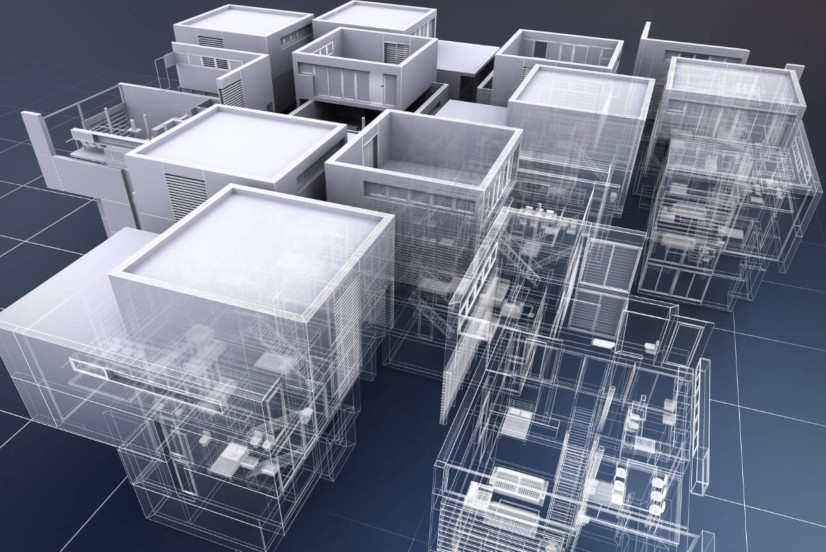
Building Information Modeling (BIM) is a game-changer in design and construction. BIM uses 3D digital models to create detailed visualizations of buildings before construction begins. This technology helps:
- Detect design conflicts early
- Improve collaboration among architects, engineers, and contractors
- Streamline project management and scheduling
BIM reduces errors, lowers costs, and shortens project timelines by providing a comprehensive, real-time model of the building.
Internet of Things (IoT) in Construction
The Internet of Things (IoT) connects physical devices like sensors, machines, and tools to the internet, allowing real-time data collection and analysis. In construction, IoT enables:
- Monitoring of equipment usage and health
- Real-time safety alerts for workers
- Energy management within completed buildings
IoT enhances safety on-site and improves building performance after completion.
Advanced Materials Revolutionizing Building
New materials are pushing the limits of durability, sustainability, and design possibilities.
Self-Healing Concrete
Traditional concrete is prone to cracking over time, leading to costly repairs. Self-healing concrete contains special bacteria or chemical agents that activate when cracks appear, filling them automatically. This innovation:
- Extends the lifespan of structures
- Reduces maintenance costs
- Enhances safety by preventing structural damage
Self-healing concrete is ideal for bridges, tunnels, and infrastructure exposed to harsh conditions.
Cross-Laminated Timber (CLT)
Cross-Laminated Timber (CLT) is engineered wood made by layering wood panels at right angles and gluing them together. CLT is gaining popularity because it is:
- Strong and lightweight
- Sustainable, as wood is renewable and stores carbon
- Faster to assemble compared to traditional concrete or steel
CLT allows for creative architectural designs and is increasingly used in residential and commercial buildings.
Automation and Robotics on Construction Sites
Automation and robotics improve construction speed and safety by performing repetitive or dangerous tasks.
3D Printing in Construction
3D printing technology is now being applied to build entire homes or components such as walls and facades. This process involves layering materials like concrete or composites to create precise shapes directly from digital models. Benefits include:
- Reduced material waste
- Lower labor costs
- Faster construction times
3D printing is particularly useful for affordable housing and custom architectural features.
Drones for Site Monitoring and Surveying
Drones equipped with cameras and sensors provide aerial views of construction sites. They help with:
- Accurate surveying and mapping
- Progress tracking
- Safety inspections in hard-to-reach areas
Using drones increases accuracy and reduces the time and risk associated with manual inspections.
Sustainable Technologies for Greener Buildings
Sustainability is a top priority in modern construction, and innovative technologies play a crucial role.
Solar Power Integration
Incorporating solar panels and photovoltaic materials into buildings reduces reliance on fossil fuels. Innovations include:
- Building-integrated photovoltaics (BIPV), where solar panels double as roofing or facade materials
- Solar-powered smart systems that optimize energy use
Solar integration lowers utility costs and reduces the building’s carbon footprint.
Green Roofs and Walls
Green roofs and living walls are covered with vegetation, providing natural insulation and improving air quality. These features help:
- Reduce urban heat islands
- Manage stormwater runoff
- Enhance building aesthetics
Green roofs and walls contribute to healthier urban environments and better energy efficiency.
The Future of Innovative Building Technologies
The pace of innovation in building technologies shows no signs of slowing. Future trends to watch include:
- Artificial Intelligence (AI): AI-powered project management tools that predict delays and optimize resource allocation.
- Augmented Reality (AR): AR for on-site guidance, allowing workers to see building plans overlaid on the physical site.
- Modular Construction: Prefabricated building modules assembled off-site to speed up construction and reduce waste.
These technologies promise to make building projects even smarter, faster, and more sustainable.
Conclusion
Innovative building technologies are reshaping the construction landscape, offering solutions that improve efficiency, safety, and environmental impact. From smart digital tools like BIM and IoT to advanced materials such as self-healing concrete and CLT, the future of construction looks bright and sustainable. Staying informed about these trends can help builders, architects, and developers stay competitive and deliver higher-quality projects.
Add Comment