
What to Expect During the Home Building Timeline
Building a home is an exciting journey filled with anticipation and important milestones. However, it can also be complex and sometimes overwhelming if you’re unsure of what to expect. Knowing the typical home building timeline helps you stay informed, plan accordingly, and communicate effectively with your builder.
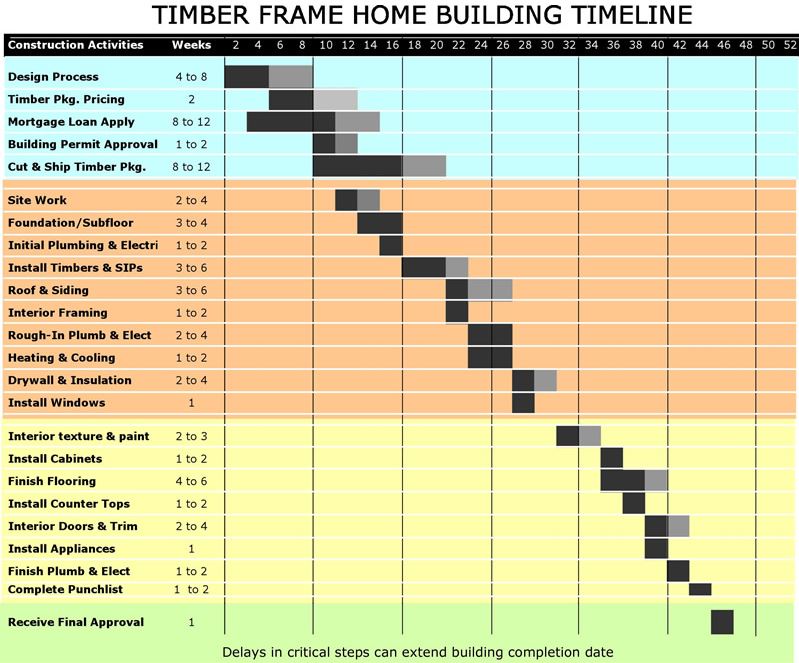
In this article, we’ll walk you through the common stages of the home building process, detailing what happens at each step and how long you can expect each phase to take. Whether you’re a first-time builder or planning your next home, understanding the timeline will help make the process smoother and less stressful.
Pre-Construction Phase: Planning and Permits
Before any physical construction begins, there’s a significant amount of groundwork involved. The pre-construction phase usually lasts several weeks to months and involves several key tasks:
- Design and architectural planning: Working with architects and designers to finalize your home’s plans and blueprints.
- Permitting and approvals: Submitting plans to local authorities for permits, zoning approvals, and inspections.
- Budgeting and financing: Finalizing your budget, securing loans, and setting payment schedules.
This phase is crucial because any delays in design approval or permits can push back the entire timeline. It’s important to be patient and thorough during this stage.
Site Preparation and Foundation Work
Once all approvals are in place, physical construction begins with site preparation. This phase can take 1 to 3 weeks depending on the size and complexity of the lot.
- Clearing and grading: Removing trees, rocks, and debris, then leveling the ground.
- Excavation: Digging trenches and holes for the foundation and utilities.
- Foundation installation: Pouring concrete for slabs, crawl spaces, or basements, followed by curing time.
Foundation work is the backbone of your home’s stability. It’s vital to allow sufficient curing time for the concrete to set, typically around 7 days, to avoid structural issues later on.
Framing the House
Framing is often the most visible stage of construction, usually lasting 2 to 4 weeks. During this time, your home begins to take shape:
- Constructing the skeleton: Building the walls, floors, and roof framework using wood or steel.
- Sheathing installation: Adding plywood or OSB boards to exterior walls and roof to strengthen the structure.
- Installing windows and doors: Framing openings and fitting initial windows and doors.
Framing defines the overall size and layout of the home. It’s an exciting milestone because you can finally see the volume and structure emerging.
Mechanical, Electrical, and Plumbing Rough-Ins
Once the house is framed and sealed, the next step involves installing essential systems. This phase typically takes 2 to 3 weeks.
- Plumbing rough-in: Laying pipes for water supply, drains, and gas lines.
- Electrical rough-in: Installing wiring, outlets, circuit breakers, and light fixtures wiring.
- HVAC installation: Setting up ductwork, vents, and HVAC units.
These systems are “roughed in,” meaning they are installed but not yet connected to fixtures. Inspectors usually review these installations before the walls are closed up.
Insulation and Drywall
After the rough-ins pass inspection, insulation is added to walls, ceilings, and floors to regulate temperature and increase energy efficiency. This phase generally takes 1 to 2 weeks.
Following insulation, drywall sheets are hung, taped, mudded, and sanded to create smooth interior surfaces. Drywall installation can take an additional 1 to 2 weeks depending on the size of the house and weather conditions.
This step transitions the home’s interior from rough framing to a finished look.
Interior Finishes
The interior finishing phase is one of the most detailed and time-consuming parts of homebuilding, often lasting 4 to 8 weeks.
- Painting and wall treatments: Priming and painting walls and ceilings.
- Flooring installation: Laying hardwood, tile, carpet, or other flooring types.
- Cabinetry and countertops: Installing kitchen and bathroom cabinets and countertops.
- Fixtures and appliances: Fitting lighting fixtures, sinks, toilets, bathtubs, and kitchen appliances.
- Trim and doors: Adding baseboards, moldings, and interior doors.
This phase shapes the style and comfort of your home, allowing you to see your design choices come to life.
Exterior Work and Landscaping
While interior work is ongoing, exterior finishes and landscaping take place simultaneously. This phase can last 2 to 4 weeks.
- Siding and painting: Applying exterior finishes such as siding, brick, or stucco.
- Roofing: Installing shingles, tiles, or metal roofing.
- Driveways and walkways: Pouring concrete or laying pavers.
- Landscaping: Planting grass, trees, shrubs, and installing irrigation systems.
Proper exterior work ensures your home looks great and is protected from weather.
Final Inspections and Walkthrough
Once all construction is complete, your home must pass a series of final inspections to ensure it complies with safety and building codes. This phase usually takes 1 to 2 weeks.
- Building inspection: Structural, electrical, plumbing, and HVAC systems are checked.
- Certificate of occupancy: After passing inspections, this official document allows you to legally move in.
- Final walkthrough: You, the builder, and sometimes the inspector walk through the home to identify any last touch-ups or fixes.
What Can Affect the Home Building Timeline?
While this timeline provides a general overview, several factors can affect how long your home build takes:
- Weather: Rain, snow, or extreme temperatures can delay outdoor work.
- Material availability: Supply chain disruptions can slow down the arrival of key materials.
- Change orders: Adjustments to design or finishes during construction extend timelines.
- Labor availability: Skilled labor shortages can cause delays.
- Permit delays: Slow approval processes can hold up construction starts.
Planning for contingencies and maintaining communication with your builder helps manage expectations.
Tips for Homeowners During the Building Process
- Stay engaged: Regularly visit the site and ask questions.
- Keep documentation: Track contracts, budgets, and change orders carefully.
- Be patient: Understand that delays are sometimes unavoidable.
- Choose experienced professionals: Reliable builders and subcontractors reduce risks.
Conclusion: Navigating the Home Building Timeline with Confidence
Building a home is a significant investment of time and resources. Knowing what to expect during the home building timeline helps you stay informed and prepared every step of the way. From pre-construction planning to final inspections, each phase plays a vital role in transforming your vision into reality.
By understanding this timeline, you can better manage your expectations, avoid surprises, and enjoy the process of creating your dream home.
Add Comment