
Understanding the Phases of House Construction
Building a house is an exciting and rewarding experience, but it can also be complex and overwhelming if you’re unfamiliar with the process. Whether you’re planning to build a custom home or simply want to understand how houses are made, knowing the phases of house construction is essential. Understanding these stages helps you anticipate what to expect, communicate effectively with builders, and ensure your project runs smoothly.
In this article, we break down the key phases of house construction—from planning and groundwork to finishing touches. Read on to learn everything you need to know about the journey from empty land to your dream home.
Phase 1: Planning and Design
Every successful house construction project begins long before the first shovel hits the ground. The planning and design phase involves working with architects, designers, and engineers to create detailed blueprints and obtain necessary permits.
During this stage, you’ll finalize the home layout, size, style, and materials. Budgeting also plays a crucial role, as you’ll decide how much you’re willing to spend on various elements of the build. Site evaluation is another important step here, as the land’s topography and soil conditions influence the design and foundation.
Proper planning and design ensure your house meets your lifestyle needs, complies with local building codes, and stays within budget.
Phase 2: Site Preparation and Groundwork
Once plans are finalized and permits secured, the physical construction process begins with site preparation. This phase includes clearing the land of trees, rocks, and debris to create a safe and accessible workspace.
Next, excavation is performed to dig trenches for the foundation footings and utilities. Soil testing often occurs at this stage to verify ground stability. Based on the soil report, engineers recommend foundation types and necessary soil treatments to prevent future settling or structural problems.
Utility connections for water, electricity, and sewage may also be installed or planned for during groundwork.
Phase 3: Foundation Construction
The foundation is arguably the most critical component of your home, as it supports everything built on top of it. Depending on your location, budget, and design, foundations may include slab-on-grade, crawl space, or full basement styles.
Builders form the foundation shape using wooden or metal forms, then install steel reinforcements to increase strength. Concrete is poured into the forms and allowed to cure properly to reach full strength.
A strong foundation ensures your home’s stability, prevents shifting or cracking, and contributes to energy efficiency by insulating against ground moisture and temperature changes.
Phase 4: Framing the Structure
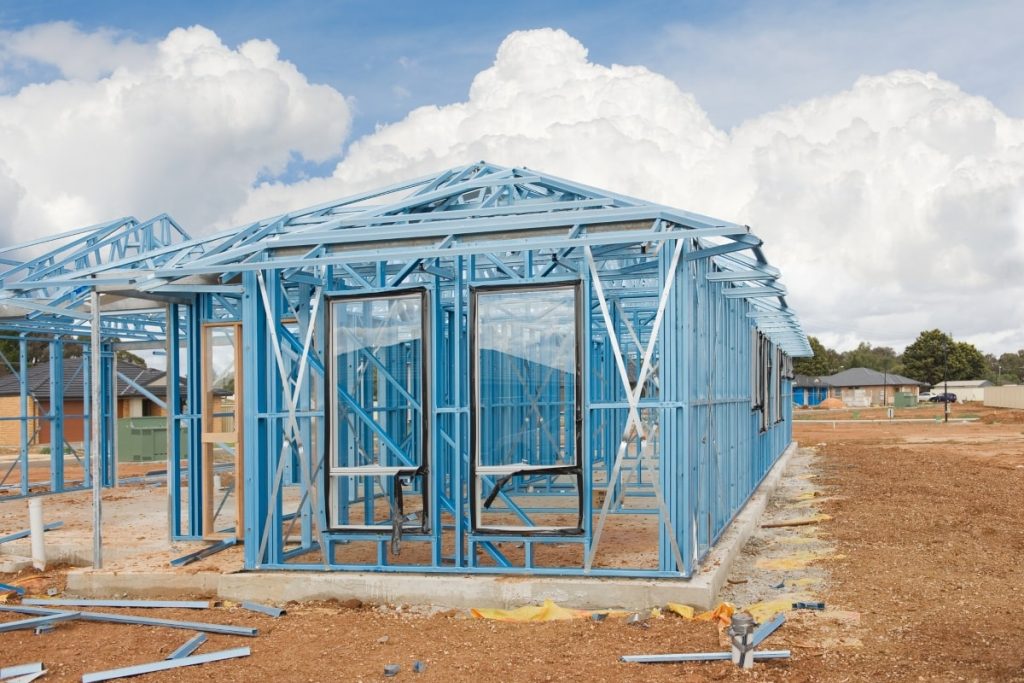
With the foundation set, the framing phase begins. This is when you start to see the house take shape. Framing involves building the skeleton of the house, including walls, floors, and roof structures.
Wood or steel studs are used to construct the framework, followed by installing exterior sheathing to protect against weather. Windows and door openings are framed as well.
During framing, mechanical, electrical, and plumbing (MEP) rough-ins are often roughed in, meaning pipes, wiring, and HVAC ducts are positioned but not yet connected.
Proper framing ensures the house’s structural integrity, alignment, and dimensions are accurate before moving to the next phase.
Phase 5: Installing Roofing, Windows, and Exterior Finishes
Once framing is complete, the house is enclosed with roofing, windows, and exterior cladding materials such as siding, brick, or stucco.
The roofing system, including shingles or tiles, gutters, and flashing, protects the house from water infiltration and weather damage. High-quality windows and doors improve energy efficiency and security.
Exterior finishes not only provide protection but also define the home’s curb appeal and style. This phase signals that the house is weather-tight and ready for interior work.
Phase 6: Interior Rough-Ins
With the home sealed from the elements, contractors install interior systems such as plumbing pipes, electrical wiring, heating, ventilation, and air conditioning (HVAC) ducts. This is known as the rough-in phase.
During rough-ins, electricians install wiring and outlets, plumbers set pipes and fixtures, and HVAC professionals place ductwork and vents. These systems are then inspected to ensure they comply with safety codes before drywall installation.
This phase is crucial because any mistakes made here can cause costly repairs if discovered after walls are closed.
Phase 7: Insulation and Drywall Installation
After the rough-in inspections pass, insulation is installed in walls, ceilings, and floors to regulate indoor temperatures and improve energy efficiency.
Next, drywall sheets are hung to form interior walls and ceilings. Drywall is taped, mudded, and sanded to create smooth surfaces ready for painting or wallpapering.
This phase starts to bring the interior to life, moving from a bare framework to defined rooms and spaces.
Phase 8: Interior Finishes and Fixtures
With walls completed, attention turns to interior finishes. This includes painting, installing flooring (hardwood, tile, carpet), and adding cabinetry, countertops, and trim work.
Electrical fixtures such as lights, switches, and outlets are installed, along with plumbing fixtures like sinks, toilets, and bathtubs.
Doors, baseboards, and molding complete the look. This phase transforms the structure into a livable home and reflects your personal style.
Phase 9: Final Inspections and Landscaping
Before moving in, the house must pass final inspections to ensure it meets all building codes and safety standards. Inspectors check electrical systems, plumbing, structural integrity, and more.
Once cleared, the final step involves exterior landscaping and driveway paving. This adds curb appeal and completes the home environment.
Why Understanding the Phases of House Construction Matters
Knowing the phases of house construction helps you manage expectations, communicate effectively with contractors, and budget appropriately. Each phase builds on the previous one, so delays or errors early on can affect the entire project timeline.
Additionally, understanding the process allows you to spot potential issues early, ask informed questions, and ensure your home is built to last.
Common Challenges During Construction and How to Overcome Them
Construction projects often face challenges such as:
- Weather delays impacting outdoor work.
- Supply chain issues causing material shortages.
- Unforeseen site conditions requiring design changes.
- Budget overruns due to changes or unexpected costs.
To overcome these, maintain clear communication with your builder, stay flexible, and plan contingency budgets.
Conclusion: From Blueprint to Dream Home
Building a house is a multi-phase journey that requires careful planning, skilled labor, and attention to detail. By understanding the phases of house construction, from design and site prep to finishing touches and inspections, you can take an active role in bringing your dream home to life.
Whether you’re a future homeowner or simply curious about construction, knowing what happens at each stage empowers you to make informed decisions and enjoy a successful building experience.
Add Comment