
Tropical House Layouts Designed for Hot Climates
Designing a home for hot, tropical climates requires thoughtful planning to ensure comfort, energy efficiency, and harmony with nature. Tropical house layouts focus on maximizing natural ventilation, shading, and protection from the elements while embracing indoor-outdoor living. These homes are often characterized by open floor plans, large overhangs, and materials suited to withstand humidity and heat.
In this article, we explore the key features of tropical house layouts, popular design strategies, and practical tips to create a cool and comfortable home tailored for hot climates.
Why Tropical House Layouts Matter in Hot Climates
Hot climates pose unique challenges for homeowners. Without proper design, houses can become unbearably hot, damp, and uncomfortable. Tropical house layouts address these issues by:
- Enhancing airflow to cool interiors naturally
- Minimizing heat gain from sun exposure
- Encouraging shade through roof overhangs and landscaping
- Using materials resistant to moisture and heat
- Integrating indoor and outdoor spaces for better air circulation
A well-designed tropical layout reduces reliance on air conditioning, lowers energy costs, and promotes healthier living.
Key Features of Tropical House Layouts
Here are the main architectural and design features common to homes built for hot, tropical climates:
1. Open Floor Plans with Cross Ventilation
Tropical houses often feature open floor plans that allow air to flow freely through living spaces. Windows and doors are strategically placed on opposite walls to encourage cross ventilation, cooling rooms naturally by moving breezes through the home.
2. Large Roof Overhangs and Verandas
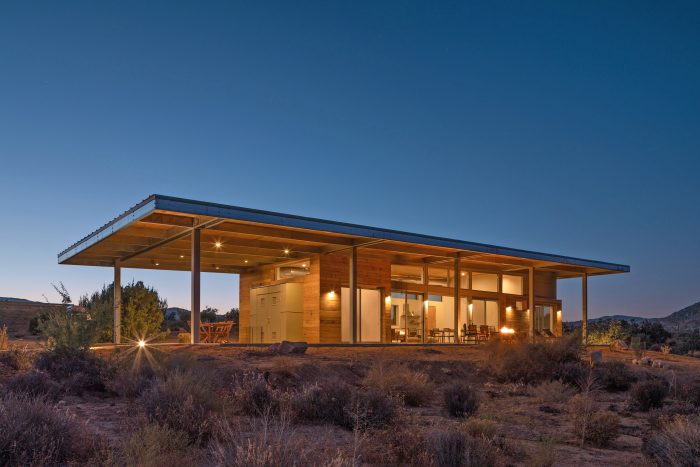
Wide eaves and verandas protect windows and walls from direct sunlight and rain. These overhangs provide shaded outdoor living areas, reducing solar heat gain and offering comfortable places to relax.
3. Raised Floors and Elevated Foundations
Elevating the structure on stilts or piers helps protect the home from flooding, promotes air circulation beneath the floor, and reduces moisture buildup. Raised floors also keep the living spaces cooler by distancing them from the hot ground.
4. Lightweight and Breathable Materials
Materials like bamboo, timber, thatch, and lightweight concrete are favored for their ability to breathe and regulate temperature. These materials prevent heat retention and resist humidity-related damage.
5. Use of Shutters and Louvers
Adjustable wooden shutters and louvered windows allow residents to control airflow and light. They provide ventilation even during rain and can be closed securely during storms.
6. Integration of Indoor and Outdoor Spaces
Tropical homes blur the lines between indoors and outdoors with patios, courtyards, and large sliding doors. This connection not only enhances ventilation but also fosters a relaxed lifestyle in tune with nature.
Popular Tropical House Layout Styles
There are several distinct tropical house layouts inspired by traditional and modern designs. Let’s look at some of the most effective:
1. Traditional Southeast Asian Layouts
Homes from countries like Thailand, Indonesia, and Malaysia often feature steeply pitched roofs, elevated wooden floors, and open-air living spaces. These designs are optimized for heavy rain and humidity while maximizing airflow.
2. Caribbean Style Tropical Homes
Caribbean tropical houses emphasize bright colors, wraparound porches, and large shuttered windows. The floor plans typically center around an open living area with easy access to outdoor decks.
3. Modern Tropical Minimalism
Modern tropical homes simplify traditional elements with clean lines, concrete bases, and expansive glass walls. They integrate passive cooling techniques with contemporary aesthetics, often incorporating green roofs and sustainable materials.
4. Balinese Courtyard Layouts
Balinese designs include central courtyards with lush landscaping and water features. These layouts create private outdoor sanctuaries and promote natural cooling through evaporation.
Designing a Tropical House Layout for Maximum Comfort
To design a tropical home that thrives in hot climates, consider the following strategies:
Optimize Orientation for Sun and Wind
Position the home to minimize direct sunlight on the longest walls, ideally facing the narrow sides east and west. Align openings like windows and doors with prevailing winds to boost cross ventilation.
Prioritize Shading Elements
Incorporate roof overhangs, pergolas, shade trees, and outdoor screens to block intense sun rays from entering the house. Shade reduces indoor temperatures significantly.
Maximize Natural Ventilation
Use wide, operable windows and doors on opposite sides of rooms. Include vents near the roofline to allow hot air to escape, facilitating a natural cooling cycle.
Use Thermal Mass Carefully
Thermal mass materials like concrete and stone absorb heat, which can be beneficial or detrimental depending on placement. Use these materials on shaded or underground areas to stabilize indoor temperatures.
Plan for Rain Protection
Design sloped roofs with effective drainage to manage heavy tropical rains. Ensure that outdoor living spaces and entrances have shelter from rain without restricting airflow.
Incorporate Green Spaces
Plants not only provide shade but also cool the air through transpiration. Incorporate gardens, vertical green walls, and trees near the home to enhance the microclimate.
Practical Tips for Tropical House Layouts
- Use light-colored roofing materials to reflect heat rather than absorb it.
- Design with flexibility in mind to adapt to seasonal changes and weather extremes.
- Choose moisture-resistant finishes and furnishings to withstand humidity.
- Include outdoor living areas such as verandas, decks, or lanais for comfortable social spaces.
- Install ceiling fans and strategically placed vents to assist natural ventilation when breezes are low.
- Ensure plenty of windows with insect screens for fresh air without pests.
Advantages of Tropical House Layouts Beyond Climate
While designed for hot climates, tropical house layouts offer lifestyle and environmental benefits including:
- Healthier indoor air quality due to natural ventilation
- Stronger connection to nature and outdoor living
- Energy savings through passive cooling techniques
- Reduced reliance on mechanical cooling and artificial lighting
- Durable and sustainable building practices
Conclusion
Tropical house layouts designed for hot climates combine smart architecture with nature-inspired design to create comfortable, energy-efficient homes. By focusing on ventilation, shading, and the integration of indoor-outdoor spaces, these layouts help homeowners stay cool and relaxed even in the most challenging weather conditions.
Whether you prefer traditional styles or modern tropical minimalism, understanding the principles behind tropical layouts will guide you in creating a home perfectly suited to hot environments.
Add Comment