
Energy-Efficient Features to Look for in New Houses
As more homebuyers prioritize sustainability and long-term savings, energy-efficient features in new houses have become essential. A home designed with energy efficiency in mind not only reduces utility bills but also lowers your carbon footprint and increases property value. Whether you’re buying your first home or upgrading, knowing what to look for can help you make a smart investment. In this article, we explore the top energy-efficient features to consider when shopping for a new house.
Why Energy Efficiency Matters in New Homes
Energy-efficient homes are designed to use less energy for heating, cooling, lighting, and appliances. This results in significant cost savings over time and contributes to environmental conservation. Additionally, many new homes that meet energy efficiency standards qualify for tax incentives or rebates, making them even more attractive.
Benefits of Buying an Energy-Efficient New House
- Lower Monthly Energy Bills: Improved insulation and efficient systems reduce electricity and gas consumption.
- Improved Comfort: Consistent indoor temperatures and better air quality create a healthier living environment.
- Reduced Environmental Impact: Less energy use means fewer greenhouse gas emissions.
- Higher Resale Value: Energy-efficient homes are increasingly sought after in the real estate market.
- Access to Incentives: Federal, state, or local programs may offer financial benefits for green homes.
Key Energy-Efficient Features to Look for in New Houses
When touring new homes or reviewing specifications, here are critical features to identify that indicate superior energy performance.
High-Quality Insulation and Air Sealing
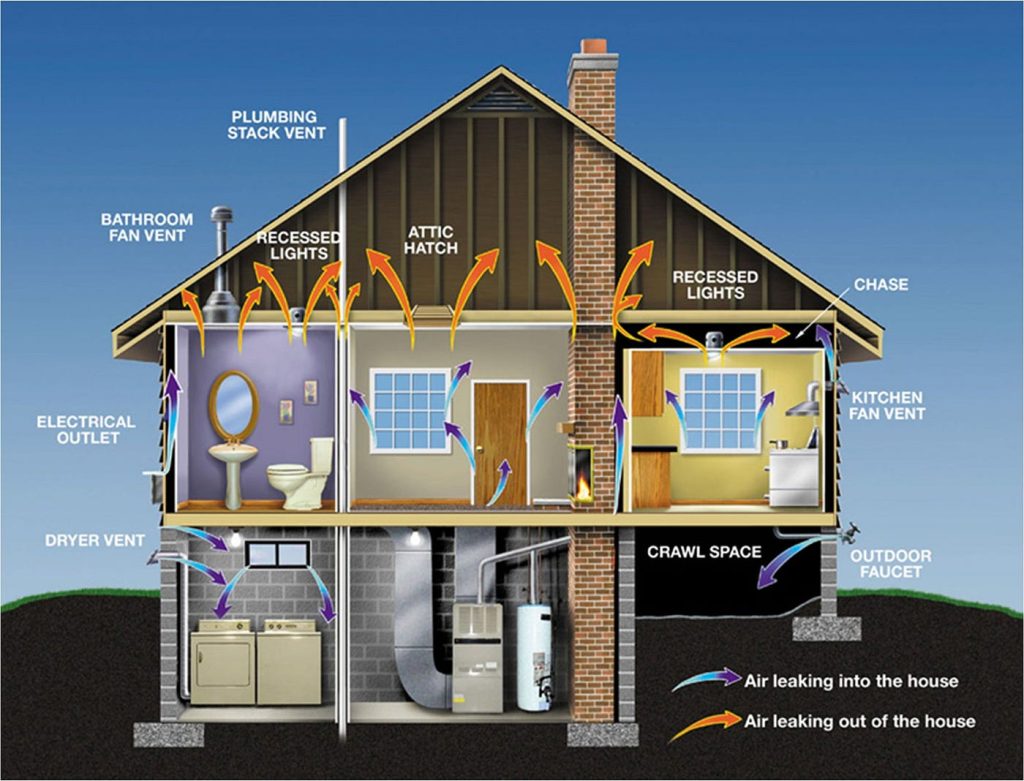
Proper insulation is the foundation of energy efficiency. Look for walls, attics, and floors insulated with materials rated to reduce heat loss or gain effectively. In addition to insulation, good air sealing around windows, doors, and vents prevents drafts that can increase heating and cooling costs.
Energy Star Certified Windows and Doors
Windows and doors certified by Energy Star meet strict standards for minimizing heat transfer. Features such as double or triple glazing, low-emissivity coatings, and insulated frames help keep your home warm in winter and cool in summer.
Efficient Heating, Ventilation, and Air Conditioning (HVAC) Systems
Modern HVAC units with high Seasonal Energy Efficiency Ratio (SEER) ratings use less electricity for the same heating or cooling output. Heat pumps, especially geothermal models, are excellent for reducing energy consumption. Also, look for programmable thermostats to optimize temperature control.
Solar Panels and Renewable Energy Options
Many new homes now offer solar panel installations or pre-wiring for solar systems. Utilizing solar energy reduces reliance on fossil fuels and can dramatically cut electricity bills. Some communities also offer shared renewable energy programs.
LED Lighting Throughout the Home
Light-emitting diode (LED) bulbs use up to 80% less energy than traditional incandescent bulbs and last much longer. Energy-efficient homes typically have LED lighting fixtures installed in every room, including outdoor spaces.
Energy-Efficient Appliances
Look for kitchen and laundry appliances that carry the Energy Star label. Refrigerators, dishwashers, washers, and dryers with this certification meet energy-saving guidelines, lowering your household’s overall power consumption.
Water-Saving Fixtures and Systems
Energy efficiency isn’t limited to electricity alone. Efficient water heaters, low-flow faucets, showerheads, and toilets reduce hot water usage, which saves energy on heating water and conserves water resources.
Additional Features Enhancing Home Energy Efficiency
Beyond the basics, some additional features contribute significantly to energy savings and comfort.
Smart Home Technology for Energy Management
Smart thermostats, lighting controls, and energy monitoring systems allow homeowners to optimize energy use remotely. These technologies can learn your habits and adjust settings to maximize efficiency without sacrificing comfort.
Proper Orientation and Design
Homes designed with passive solar principles in mind take advantage of natural sunlight and shade to regulate temperature. South-facing windows with appropriate shading reduce heating costs in winter and cooling costs in summer.
High-Performance Roofing Materials
Reflective roofing materials reduce heat absorption, lowering cooling loads during hot months. Cool roofs can significantly impact energy efficiency in warm climates.
Efficient Landscaping and Shade Trees
Strategically placed trees and shrubs can provide shade to reduce cooling needs and act as windbreaks to reduce heating costs. Landscaping that reduces outdoor water use also complements energy-efficient living.
How to Verify Energy Efficiency in New Homes
Look for Certification Labels and Ratings
Certifications like ENERGY STAR, LEED (Leadership in Energy and Environmental Design), and the Home Energy Rating System (HERS) index are indicators of verified energy performance. Homes with these certifications have undergone rigorous testing.
Request Energy Audit Reports
Ask builders or sellers for results of energy audits or blower door tests, which measure air leakage. These reports can give you confidence in the home’s efficiency.
Review Utility Estimates and Past Usage
In some cases, builders provide utility cost estimates based on the home’s specifications. If available, compare these with average costs for similar-sized homes.
Tips for Homebuyers: Maximizing Energy Efficiency
Prioritize Features Based on Climate and Lifestyle
Not every feature is equally important in all regions. For example, insulation and heating efficiency matter more in cold climates, while solar panels and cooling efficiency are critical in warmer areas.
Consider Future Upgrades
If the home lacks some features you want, ask about the possibility and cost of adding them later, such as solar panels or smart home systems.
Work with a Knowledgeable Real Estate Agent
An agent experienced with green homes can help you identify energy-efficient properties and negotiate for upgrades or incentives.
Conclusion: Invest in an Energy-Efficient New House for Long-Term Benefits
Energy-efficient features are no longer just “nice-to-haves” but essential components of modern homes. They provide cost savings, comfort, and environmental benefits that make new houses smarter investments. When shopping for your next home, pay close attention to insulation, windows, HVAC systems, renewable energy options, and appliances. Doing so ensures that your new house is not only beautiful but also designed for sustainability and savings.
Ready to find a new energy-efficient home? Keep these key features in mind, and you’ll be well on your way to living comfortably while reducing your environmental footprint.
Add Comment