
Everything You Need to Know Before Starting a House Extension
Planning a house extension is one of the most effective ways to add space, functionality, and value to your home. Whether you’re dreaming of a bigger kitchen, an extra bedroom, or an open-plan living area, a well-designed extension can completely transform your property.
However, extending your home isn’t as simple as adding on a new room. It involves careful planning, budgeting, and an understanding of local regulations. In this guide, we’ll cover everything you need to know before starting a house extension — from the initial planning stages to working with builders and managing costs.
Understanding Why You Want a House Extension
Before calling an architect or contractor, take time to define your goals. Ask yourself:
- Do you need more living space or storage?
- Are you extending to improve your home’s value or to make it more functional?
- Is this a long-term home, or are you planning to sell in a few years?
Your answers will help shape your design decisions and determine how much you should spend. For example, a high-end kitchen extension might be worthwhile if you’re staying for the long term, but not if you’re planning to sell soon.
Setting a Realistic Budget
One of the most common mistakes homeowners make is underestimating the cost of a house extension. Prices vary depending on the size, materials, and complexity of the project, but as a rough guide:
- Basic single-storey extensions can cost between £1,500–£2,500 per square metre.
- Two-storey extensions may range from £2,000–£3,000 per square metre.
- Luxury or bespoke designs with premium finishes can exceed £3,500 per square metre.
Always include an additional 10–15% contingency for unexpected expenses, such as structural changes or utility upgrades.
To stay within budget, request multiple quotes, understand what’s included in each one, and avoid making last-minute design changes once work begins.
Deciding on the Type of Extension
There are several types of house extensions, and choosing the right one depends on your property layout, local regulations, and personal needs.
1. Rear Extension – Ideal for adding open-plan kitchen and dining areas. Perfect for homes with garden space.
2. Side Return Extension – Common in terraced or semi-detached homes, using the narrow alleyway to expand kitchen or living space.
3. Wrap-Around Extension – Combines rear and side extensions for maximum impact.
4. Two-Storey Extension – Adds both ground and upper-level space, ideal for growing families.
5. Loft Conversion or Garage Conversion – Makes use of existing structures to add bedrooms or home offices.
Choosing the right type depends on what you want to achieve and the constraints of your site.
Do You Need Planning Permission?
In many cases, you can extend your home under permitted development rights, meaning you don’t need formal planning permission. However, there are limitations — for example, you can’t extend beyond certain height or depth limits, and restrictions apply in conservation areas or on listed buildings.
If your extension doesn’t meet permitted development criteria, you’ll need to apply for planning permission from your local authority.
It’s a good idea to check with your local council or hire an architect familiar with planning policies in your area. Submitting accurate drawings and plans can significantly speed up the approval process.
Understanding Building Regulations
Even if your project doesn’t require planning permission, it must still comply with UK Building Regulations. These regulations ensure your extension meets safety and energy efficiency standards covering:
- Structural integrity
- Fire safety
- Insulation and energy performance
- Ventilation
- Drainage and plumbing
You’ll need to have your work inspected by building control officers at various stages to ensure compliance. Once complete, you’ll receive a Building Completion Certificate, which you’ll need if you ever sell your property.
Working with Architects and Builders
A successful house extension relies on the professionals you hire. Start by finding an architect or architectural designer to draw up plans and guide you through planning applications. An architect can help you maximise space, natural light, and functionality.
When choosing a builder, always:
- Check references and past work.
- Get detailed, written quotes.
- Ensure they have valid insurance.
- Agree on timelines and payment schedules in advance.
Clear communication is key — schedule regular site meetings to monitor progress and address any issues early.
Designing for Light, Space, and Flow
A well-designed extension should blend seamlessly with your existing home while improving the way you live. Think carefully about layout and how the new space connects to existing rooms.
Consider:
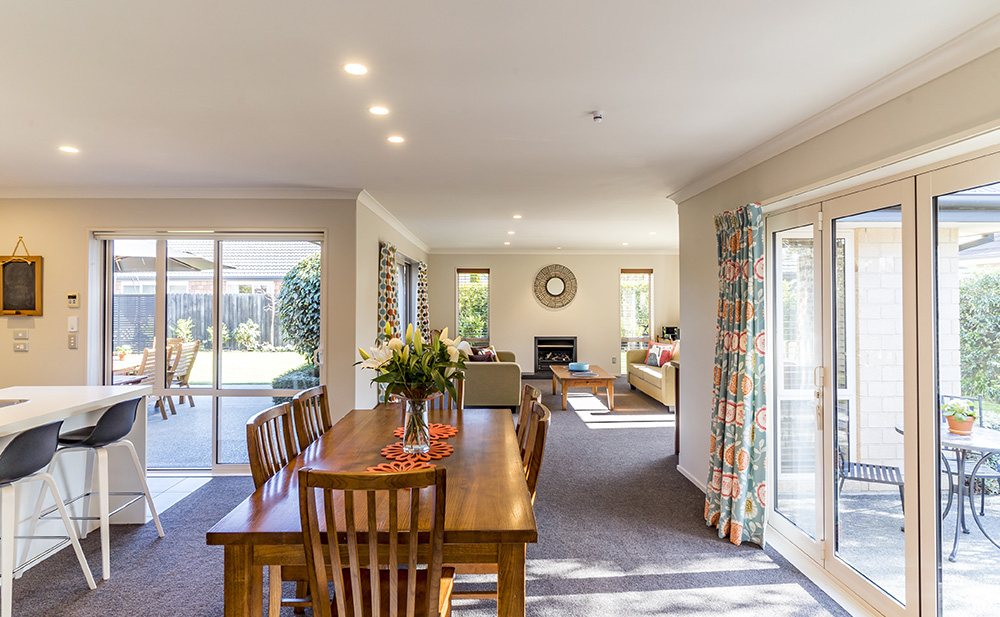
- Natural light: Add skylights, large windows, or bifold doors to create bright, airy spaces.
- Open-plan living: Combine kitchen, dining, and living areas for a modern feel.
- Outdoor connection: Use glass doors or patios to extend your living space into the garden.
- Storage solutions: Built-in cabinets or under-stair storage can help keep the space clutter-free.
Designing with light and flow in mind will make your extension feel larger and more comfortable.
Managing the Build
Once construction begins, staying organised is crucial. Keep track of progress, costs, and timelines with a simple spreadsheet or project management app.
Some tips for a smooth build:
- Stay involved: Visit the site regularly to see how work is progressing.
- Be flexible: Unexpected challenges may arise — weather delays, material shortages, or structural surprises.
- Avoid major design changes mid-build: They can cause delays and increase costs.
If you’ve hired a project manager or architect to oversee the build, maintain open communication and request updates frequently.
Common Pitfalls to Avoid
Even well-planned projects can go wrong. Here are some common mistakes to avoid:
- Ignoring planning regulations – This can lead to costly fines or forced demolition.
- Underestimating costs – Always have a contingency fund.
- Skipping professional advice – Cutting corners can lead to poor results and structural issues.
- Poor design integration – Extensions that don’t match the original home can affect resale value.
- Rushing decisions – Take your time to choose materials and finishes that suit your lifestyle.
Avoiding these pitfalls can save you time, money, and stress.
Adding Value to Your Home
A well-designed extension can increase your property’s market value by 10–25%, depending on its quality and location. However, the key is to balance cost with potential return. Focus on features that buyers love — open-plan kitchens, extra bathrooms, and well-lit living spaces.
Consult a local estate agent before starting to understand what kind of extension adds the most value in your area.
Final Thoughts
Starting a house extension can be an exciting yet challenging process. With the right planning, realistic budgeting, and professional support, you can create a space that enhances both your lifestyle and property value.
Take your time to research, seek professional advice, and stay hands-on throughout the project. Done right, a home extension isn’t just about adding space — it’s about creating a home that truly works for you.
Add Comment