
How to Plan a House Extension: A Step-by-Step Guide
If you’re running out of space but love where you live, a house extension can be the perfect solution. From open-plan kitchens to extra bedrooms or home offices, an extension allows you to adapt your home to your lifestyle without the hassle of moving.
However, a successful home extension doesn’t happen by accident. It requires careful preparation, budgeting, and an understanding of planning rules. In this step-by-step guide, we’ll walk you through exactly how to plan a house extension — from the first idea to the day the builders arrive.
Step 1: Identify Your Goals and Priorities
Before diving into the practicalities, define what you want to achieve. Are you looking to:
- Add extra living or sleeping space?
- Create a larger kitchen or open-plan area?
- Increase your home’s value before selling?
Understanding your goals will shape every other decision, from design style to budget. Think about how the new space will be used and how it will connect to your existing layout.
It’s also worth considering your long-term plans. If you’re staying in the house for many years, invest in high-quality materials and finishes that will stand the test of time.
Step 2: Set a Realistic Budget
Budgeting is one of the most important parts of planning a house extension. Costs can vary widely depending on size, materials, and complexity.
As a rough guide in 2025:
- Single-storey extensions: £1,500–£2,500 per square metre
- Two-storey extensions: £2,000–£3,000 per square metre
- High-end or bespoke projects: £3,000+ per square metre
Don’t forget to include additional expenses such as:
- Architectural design and planning fees
- Structural engineer costs
- Building control inspections
- Interior finishes and landscaping
Add at least 10–15% contingency for unexpected issues like groundworks or material delays. Having a clear budget early on prevents surprises later.
Step 3: Choose the Right Type of Extension
There are several types of home extensions, each suited to different properties and needs:
- Rear Extension: Ideal for expanding kitchen or living space, often opening onto the garden.
- Side Return Extension: Makes use of the narrow alley beside terraced or semi-detached homes.
- Wrap-Around Extension: Combines rear and side extensions for maximum space.
- Two-Storey Extension: Adds both ground and upper-level rooms — great for growing families.
- Loft or Garage Conversion: Uses existing structures to create new living areas with minimal disruption.
Choosing the right type of extension depends on your home’s layout, local regulations, and what you want to achieve.
Step 4: Check Planning Permission and Regulations
Before any work begins, check whether your project needs planning permission. Many house extensions fall under permitted development rights, which allow you to build without formal permission — provided you meet certain size and design limits.
You’ll need planning permission if:
- Your extension exceeds height or size limits.
- Your home is in a conservation area or is a listed building.
- You’re extending towards a road or boundary line.
It’s always best to confirm with your local planning authority before starting. Submitting accurate drawings from an architect will help speed up approval if you do need permission.
In addition to planning, all extensions must comply with Building Regulations. These cover safety, structural stability, insulation, ventilation, and fire safety. Building control officers will inspect your project at key stages and issue a completion certificate once everything meets the required standards.
Step 5: Hire the Right Professionals
A great team makes all the difference in a smooth extension project. At minimum, you’ll likely need:
- Architect or Architectural Designer: To create plans, handle permissions, and optimise your space.
- Structural Engineer: To ensure walls, foundations, and roofs are safe and sound.
- Builder or Contractor: To carry out the construction.
- Project Manager (optional): To oversee schedules, budgets, and site progress.
When hiring professionals:
- Ask for recommendations and check online reviews.
- Review their previous work and request references.
- Get at least three detailed written quotes.
- Confirm they have insurance and certifications.
Having the right team ensures your project stays on time, within budget, and meets all regulations.
Step 6: Finalise Your Design and Layout
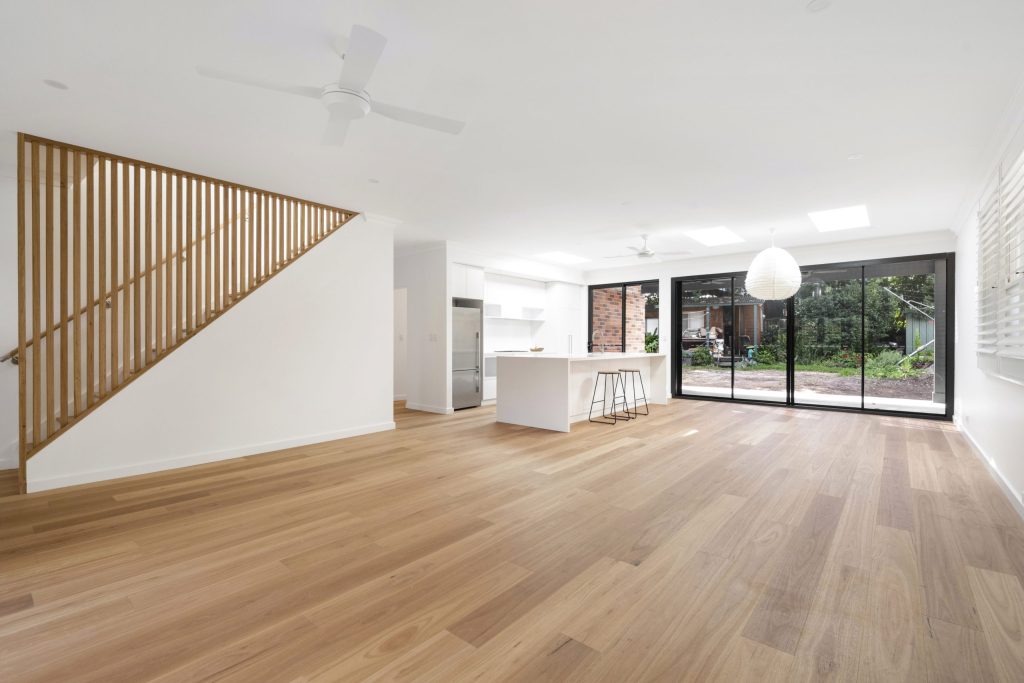
Once your budget and team are in place, it’s time to refine your design. A thoughtful layout can make your extension feel much larger and more connected to the rest of your home.
Consider:
- Natural light: Incorporate skylights, roof lanterns, or large sliding doors to brighten the space.
- Flow and function: Ensure easy movement between rooms and outdoor areas.
- Storage: Built-in cupboards and clever shelving keep your new space organised.
- Style: Match materials and finishes with your existing home to create a cohesive look.
Think ahead about how furniture will fit into the design and where electrical outlets or lighting will go.
Step 7: Obtain Quotes and Plan Your Timeline
Before work starts, gather quotes from at least three builders. Make sure each quote includes:
- Labour and materials
- Site preparation and clean-up
- Waste disposal
- Timelines and payment milestones
A typical small extension takes 3–5 months, while larger or two-storey builds can take up to 9–12 months. Discuss your expected completion date with your builder and ensure you have written agreements to avoid misunderstandings.
If you’ll be living in the house during construction, plan ahead for noise, dust, and limited access to certain areas.
Step 8: Prepare for Construction
Once you’ve finalised designs, received approvals, and hired your builder, it’s time to get ready for construction. Clear the area of furniture and belongings, and inform your neighbours of the project timeline to maintain good relationships.
Make sure utilities like water, gas, and electricity are safely managed during the build. If major work is taking place in the kitchen or bathroom, set up temporary facilities elsewhere in the home.
Stay in close communication with your contractor and schedule regular check-ins to track progress.
Step 9: Monitor Progress and Stay Flexible
Even with careful planning, unexpected challenges can arise — such as bad weather or supply delays. Stay patient and flexible.
Keep records of payments, invoices, and any changes to the project. If adjustments are needed, confirm them in writing to avoid confusion. Regular site visits will help ensure quality and keep the project aligned with your vision.
Step 10: Add Finishing Touches and Enjoy Your New Space
Once construction is complete, your builder will carry out final checks and arrange for building control approval. You’ll then receive a Building Completion Certificate, which is essential for insurance and resale.
Now comes the fun part — decorating and furnishing your new space. Choose lighting, colours, and furniture that highlight your extension’s best features. Whether it’s a bright family kitchen or a cosy home office, your new space should reflect your lifestyle and taste.
Final Thoughts
Planning a house extension may seem overwhelming, but by breaking it into manageable steps, you can ensure a smooth and successful project. From budgeting and design to planning permission and construction, each stage plays a vital role in bringing your vision to life.
With careful preparation and the right professional support, your house extension can not only give you the space you need but also add long-term value to your property.
Add Comment