
Modular vs. Traditional Building
Choosing the right construction method is one of the most important decisions when planning a building project. Modular and traditional building are two popular approaches, each with unique advantages and challenges. Understanding the differences between modular and traditional construction can help you make an informed choice that fits your budget, timeline, and design needs. This article breaks down both methods and compares their key features to guide you through the decision-making process.
What Is Modular Building?
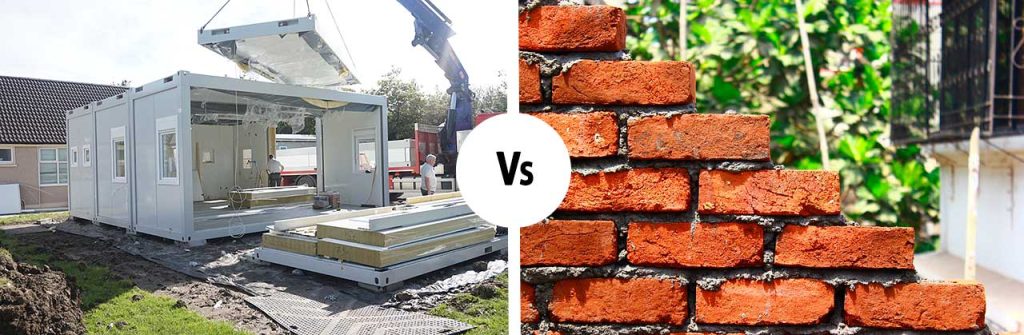
Modular building, also known as prefabricated construction, involves manufacturing sections of a building—called modules—in a controlled factory environment. These modules are then transported to the site and assembled into a complete structure.
Key Characteristics of Modular Building
- Factory-controlled environment: Construction takes place indoors, protecting materials from weather delays and damage.
- Speedy construction: Modules are built simultaneously with site preparation, reducing overall project time.
- High precision: Factory conditions allow for consistent quality and tight tolerances.
- Flexibility: Modules can be customized and combined in various configurations.
Modular building is used for residential homes, commercial offices, schools, and more.
What Is Traditional Building?
Traditional building involves constructing the entire structure on-site from the ground up. This method has been the standard for centuries and typically uses conventional materials like wood, brick, and concrete.
Key Characteristics of Traditional Building
- On-site construction: All work occurs at the building location, subject to weather and site conditions.
- Longer timelines: Building sequentially from foundation to finishing takes more time.
- High labor intensity: Requires skilled labor for each stage on-site.
- Design flexibility: Allows for extensive customization and architectural detail.
Traditional building remains popular for custom homes and projects with complex designs.
Comparing Modular and Traditional Building
To decide which method suits your project best, consider how modular and traditional building compare across various factors.
Construction Time and Efficiency
Modular building offers significant time savings because factory work and site preparation happen concurrently. This parallel process can shorten construction time by 30% to 50%, allowing faster occupancy or resale.
In contrast, traditional building follows a linear timeline—foundation, framing, roofing, then interior work—which can be delayed by weather or labor shortages.
Cost Considerations
Modular construction often has lower labor costs due to automation and controlled environments, which reduce waste and rework. However, transportation and crane costs to deliver and install modules add to expenses.
Traditional building costs vary widely depending on labor rates, material availability, and project complexity. While initial material costs may be lower, longer timelines can increase financing and overhead expenses.
Quality and Durability
Both methods can deliver high-quality results, but modular construction’s factory setting enables tighter quality control and reduced exposure to elements during building, leading to less damage and defects.
Traditional construction quality depends heavily on on-site labor skills and supervision. Weather and site conditions can affect material performance and workmanship.
Design Flexibility and Customization
Traditional building offers unmatched design freedom. Architects can create intricate custom details, unique layouts, and incorporate various materials.
Modular building has improved flexibility, with manufacturers offering customizable modules and finishes. However, the need to transport modules can limit size and shape options.
Environmental Impact
Modular building is often more sustainable, generating less waste thanks to precise factory cutting and reuse of materials. Faster build times reduce energy consumption on-site.
Traditional building may produce more waste and disturbance but allows for a broader range of eco-friendly materials and techniques.
When to Choose Modular Building
Modular building is ideal for:
- Projects with tight deadlines requiring fast completion.
- Standardized designs such as apartment complexes, schools, or hotels.
- Remote or difficult-to-access sites where on-site construction is challenging.
- Clients seeking cost certainty with less exposure to weather delays.
When to Choose Traditional Building
Traditional building is preferred when:
- Unique, custom architectural designs are desired.
- Site conditions allow for easy and continuous construction.
- Clients want complete control over materials and finishes.
- The project benefits from phased or incremental construction over time.
Common Misconceptions About Modular Building
Some people hesitate to choose modular construction due to myths such as:
- Modular buildings look “cheap” or “temporary.” In reality, modular structures can be as attractive and durable as traditional buildings.
- Limited customization. Modular design is increasingly flexible with modern manufacturing techniques.
- Lower resale value. Studies show modular homes often have similar or better resale values compared to traditional homes.
The Future of Building: Hybrid Approaches
Many builders are now combining modular and traditional methods to maximize benefits. For example, a project might use modular modules for standardized sections and traditional construction for custom areas.
Advances in technology, such as 3D printing and improved materials, are also shaping new hybrid building solutions.
Conclusion
Choosing between modular and traditional building depends on your project’s specific goals, budget, timeline, and design requirements. Modular construction offers speed, efficiency, and quality control, making it ideal for many residential and commercial projects. Traditional building remains the best option for highly customized designs and flexible construction timelines. Understanding the strengths and limitations of each method empowers you to make an informed decision that turns your vision into reality.
Add Comment