
Breaking Ground: What Happens First When Building a House?
Breaking Ground: What Happens First When Building a House?
Building a house is an exciting journey, but before you see walls and roofs taking shape, there’s a crucial phase that sets the foundation—literally and figuratively. This phase is known as “breaking ground,” which marks the very beginning of the construction process. If you’re planning to build your dream home or just curious about how a house is constructed, understanding what happens first can give you valuable insights and set realistic expectations.
In this article, we will walk you through the initial steps of building a house, from site preparation to laying the foundation. Whether you’re a first-time home builder or simply interested in construction, this guide covers everything you need to know about the groundbreaking phase.
What Does Breaking Ground Mean?
“Breaking ground” is a term used to describe the moment when construction officially begins on a new building site. It’s often celebrated with a ceremony where the first shovel of dirt is moved, symbolizing the start of the building process. However, breaking ground is much more than a ceremonial event—it includes a series of essential preparatory steps to ensure the site is ready for construction.
Site Evaluation and Surveying
Before any physical digging or construction, a thorough site evaluation is conducted. This step involves surveying the land to understand its topography, soil composition, and existing conditions. Surveyors map out the exact boundaries and features of the property, which helps architects and engineers design a home that fits perfectly within the plot.
Proper surveying is crucial because it ensures your house will be built in compliance with local zoning laws and building codes. It also identifies any challenges such as uneven terrain or flood-prone areas, which need to be addressed before construction begins.
Clearing and Excavation of the Land
Once the site is surveyed, the next step is clearing the land. This involves removing trees, rocks, shrubs, and any debris that could obstruct construction. Clearing the site creates a clean, safe working area and allows construction vehicles and machinery to access the property.
Following clearing, excavation begins. Excavation means digging out the soil to prepare for the foundation. This step involves digging trenches for footings, basements, or crawl spaces, depending on the type of foundation planned. Excavation must be precise, as the depth and dimensions directly affect the stability of the entire structure.
Installing Utilities and Temporary Infrastructure
While excavation is underway or immediately after, utilities such as water, electricity, and sewage systems are often installed or connected. Builders coordinate with utility companies to ensure the property has access to these essential services.
Temporary infrastructure, such as portable toilets for workers, storage for materials, and safety barriers, are also set up at this stage. This preparation ensures the site is organized, efficient, and safe during construction.
Soil Testing and Preparation
Soil testing is a critical part of the initial construction process. Engineers analyze soil samples to determine its strength, stability, and drainage properties. The type of soil impacts the choice of foundation—some soils may require special treatment or reinforcement to support the weight of the house.
If the soil is found to be weak or unstable, builders may use techniques like soil compaction, adding gravel layers, or installing pilings to reinforce the ground. Proper soil preparation prevents future problems like settling, cracking, or structural damage.
Laying Out the Foundation
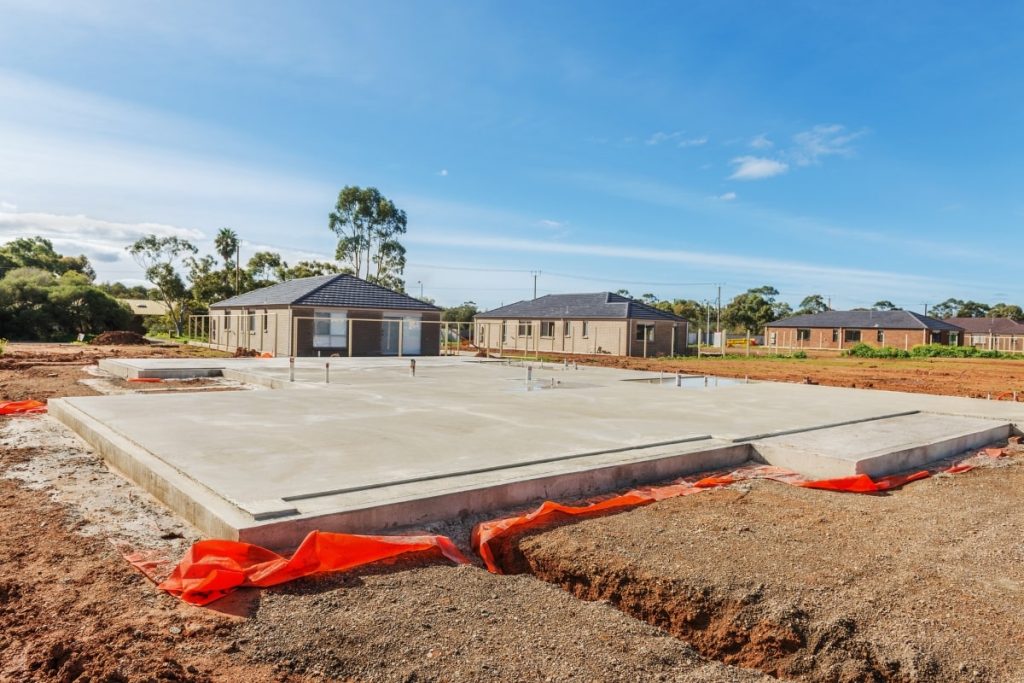
After clearing, excavation, and soil preparation, the construction team begins laying out the foundation. This step involves marking the exact footprint of the house on the ground, guided by architectural plans and blueprints.
The foundation is the most critical structural element of a house, as it supports everything built on top of it. Common types of foundations include slab-on-grade, crawl space, and full basement. The choice depends on the soil conditions, climate, and personal preferences.
Builders set forms to shape the foundation and install any necessary reinforcement, such as steel rebar, to increase strength. Then, concrete is poured into the forms and allowed to cure properly—a process that can take several days to weeks depending on the weather.
Why the Breaking Ground Phase is So Important
The initial phase of breaking ground sets the stage for the entire construction project. Mistakes made during this phase can lead to costly repairs and delays later on. For example, poor soil preparation can cause the foundation to settle unevenly, leading to cracked walls and doors that won’t close properly.
Furthermore, site preparation ensures that the project complies with legal requirements and safety standards, protecting you from future legal headaches.
Common Challenges During Breaking Ground
While breaking ground sounds straightforward, several challenges can arise:
- Unexpected soil conditions: Discovering rock formations, high water tables, or contaminated soil can complicate excavation and foundation work.
- Weather delays: Heavy rain or freezing temperatures can delay excavation and concrete curing.
- Utility access issues: Problems with connecting to water, electricity, or sewage lines can halt progress.
- Environmental regulations: Compliance with local environmental laws may require additional permits or protective measures.
Being prepared for these challenges and working with experienced professionals can help keep your project on track.
Tips for Homeowners During the Breaking Ground Phase
If you’re overseeing the construction of your new home, here are some tips to ensure a smooth start:
- Hire reputable contractors: Experienced builders and engineers will foresee potential issues and address them proactively.
- Stay informed: Regularly visit the site and communicate with your builder to monitor progress and ask questions.
- Review permits and inspections: Ensure all necessary permits are obtained and inspections are completed on time.
- Plan for contingencies: Budget extra time and money for unexpected delays or problems.
Conclusion: Breaking Ground is Just the Beginning
Breaking ground is the thrilling start of turning your dream house into reality. From surveying and clearing the land to preparing the soil and laying the foundation, every step in this phase is critical to building a safe, stable, and lasting home.
By understanding what happens first when building a house, you can approach the process with confidence and clarity. Whether you’re a homeowner, investor, or construction enthusiast, knowing the groundwork of construction helps you appreciate the skill and effort behind every new home.
If you’re ready to start your building project, remember: the stronger the foundation, the sturdier the house. Breaking ground marks the beginning of a new chapter, where your vision begins to take shape from the earth up.
Add Comment